The real constraint is not price, it is scarcity
When someone asks me which Montreal neighborhood is best for buying a house, the expected answer is a list of names. But the useful question is different: in which sectors do houses actually sell, and how many of them?
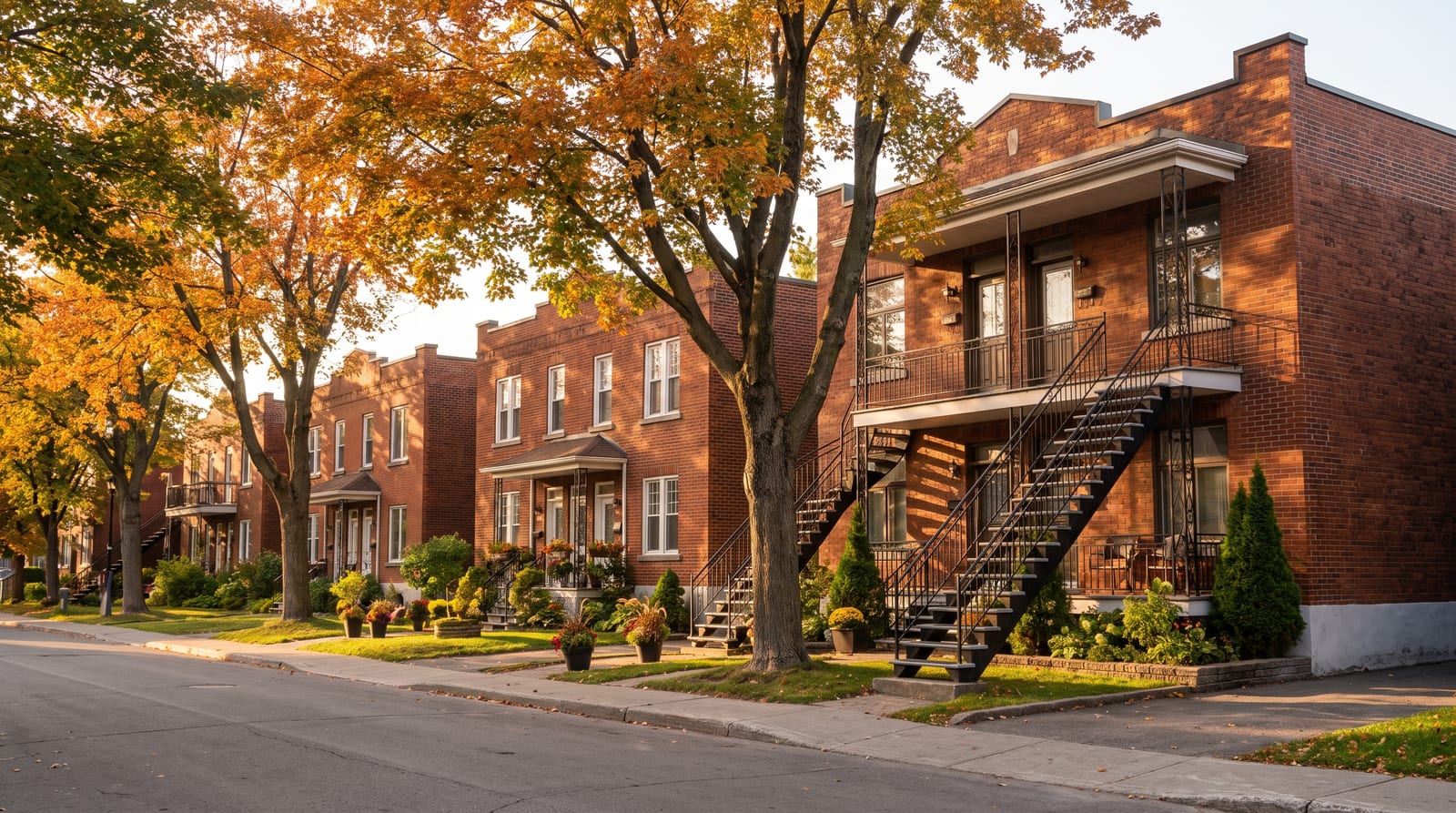
Montreal is an island of plexes and condominiums. In most central boroughs, the single-family house is a residual product. A buyer can spend six months searching in a neighborhood where two houses sell per month and conclude the market is impossible. The problem was not the budget, it was the sector.
I have covered Montreal residential real estate since 2018. Here are the real numbers by sector, and what they mean in practice for your search. You can then dig into each one on my neighborhood pages.

House prices and availability, sector by sector
Here are single-family homes in the second quarter of 2026, according to Centris statistics by borough. The sales column matters as much as the price column: it tells you how many opportunities actually come up.
| Sector | Median price, house | Houses sold in Q2 2026 |
|---|---|---|
| Mercier, Hochelaga-Maisonneuve | $628,000 | 46 |
| Villeray, Saint-Michel, Parc-Extension | $736,500 * | 26 |
| Saint-Laurent | $1,000,000 | 102 |
| Rosemont, La Petite-Patrie | $1,138,000 | 31 |
| Verdun, Nuns' Island | $1,250,000 | 35 |
| Outremont | $2,201,700 * | 72 * |
| Westmount | $2,300,000 | 43 |
* Figures calculated over the last four quarters, since a single quarter did not contain enough transactions to produce a reliable statistic in these categories.
Two numbers deserve a pause. Saint-Laurent saw 102 houses change hands in three months, more than Rosemont, Verdun and Villeray combined. And Mercier-Hochelaga-Maisonneuve posts a median of $628,000, less than a third of Westmount, with a higher volume than Rosemont.
Best price-to-volume balance: Mercier, Hochelaga-Maisonneuve
This is the sector I recommend most often to first-time buyers set on a house. At a $628,000 median with 46 sales in the quarter, it is the most favourable combination on the island: a realistic entry price and enough movement to give you choice.
The sector has been transforming for a decade. Ontario Street and the Promenade Ontario have changed character, the Maisonneuve Market remains a hub, and green line access to downtown is direct. The housing stock mixes post-war houses, converted duplexes and pockets of bungalows in Mercier.
What you have to accept: the sector is vast and very uneven from one street to the next. The difference between two addresses eight streets apart can be considerable, in noise, building upkeep and neighborhood feel. This is a sector where walking it on a weekday and in the evening genuinely changes your read. Details on my Hochelaga-Maisonneuve neighborhood page.
The widest choice of houses: Saint-Laurent
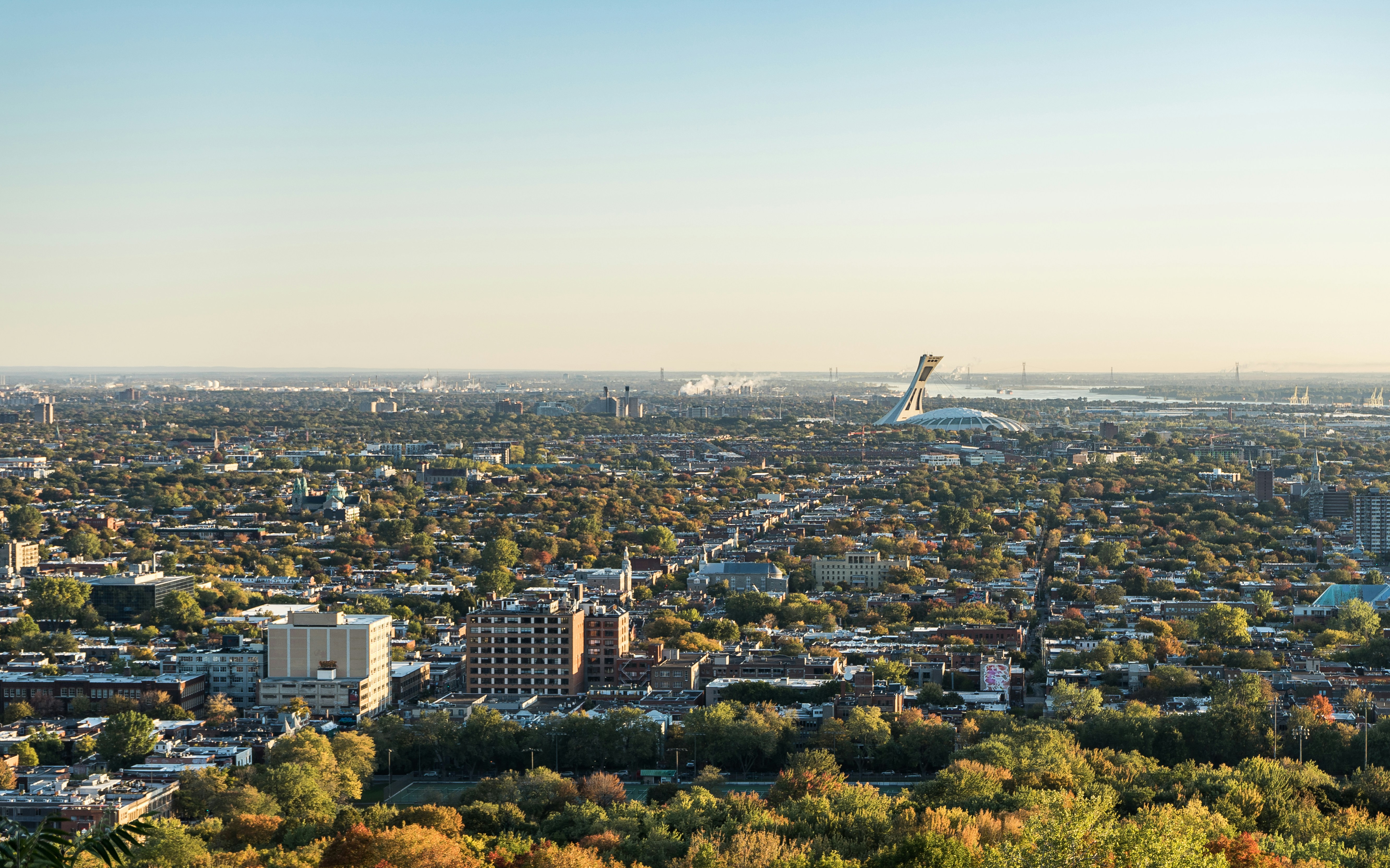
With 102 house sales in the second quarter at a $1,000,000 median, Saint-Laurent is by far the borough where you find the most houses on the island of Montreal. It is a sector built for the house, not the plex.
In practice, that changes the buying experience. A buyer searching in Rosemont waits for an opportunity to appear. A buyer searching in Saint-Laurent compares several properties in the same month, which grants negotiating leverage the central sectors simply do not allow.
The profile suits families well: larger lots, parking, schools, proximity to the Technoparc and the major west-end employers, access to highways 40 and 15, and the orange line via Du Collège and Côte-Vertu. In exchange, you move away from the walkable street life of the central neighborhoods. See my Saint-Laurent neighborhood page.
Central sectors: the house is a rare product there
Rosemont, Villeray and the Plateau draw enormous numbers of buyers who want a house. The figures explain why the search there is frustrating: 31 house sales in the quarter in Rosemont, 26 in Villeray. Over three months, for boroughs of more than a hundred thousand residents each. I broke that market down sector by sector in my Rosemont–La Petite-Patrie neighborhood guide.
Three options are open to anyone set on these sectors:
- Widen to the plex. A duplex where you occupy one unit gives you the address you want, with income that absorbs part of the payment. It is the most common compromise in Rosemont and Villeray, where plexes make up most of the housing stock.
- Accept a two-storey condo. Some conversions offer the floor area and layout of a house, with a private yard, without the price of a single-family home.
- Shift one sector over. Hochelaga and Saint-Michel offer the same building stock at a markedly lower price, often ten minutes by bike from the dream address.
Refusing to consider those three options is the leading cause of searches that run a year without result.
Verdun and Nuns' Island: two markets under one name
The $1,250,000 borough median needs an important qualification: it blends two realities. Verdun is a sector of pre-war duplexes and triplexes, with Wellington Street and river access. Nuns' Island is a market of condominiums and newer houses, with a distinct price structure.
Verdun has appreciated sharply over ten years, driven by Wellington Street, the redeveloped riverbanks and the green line. At 35 house sales per quarter the volume stays modest, but demand is steady. See Verdun and Nuns' Island, two separate pages because they are two separate markets.
The high end: Westmount and Outremont
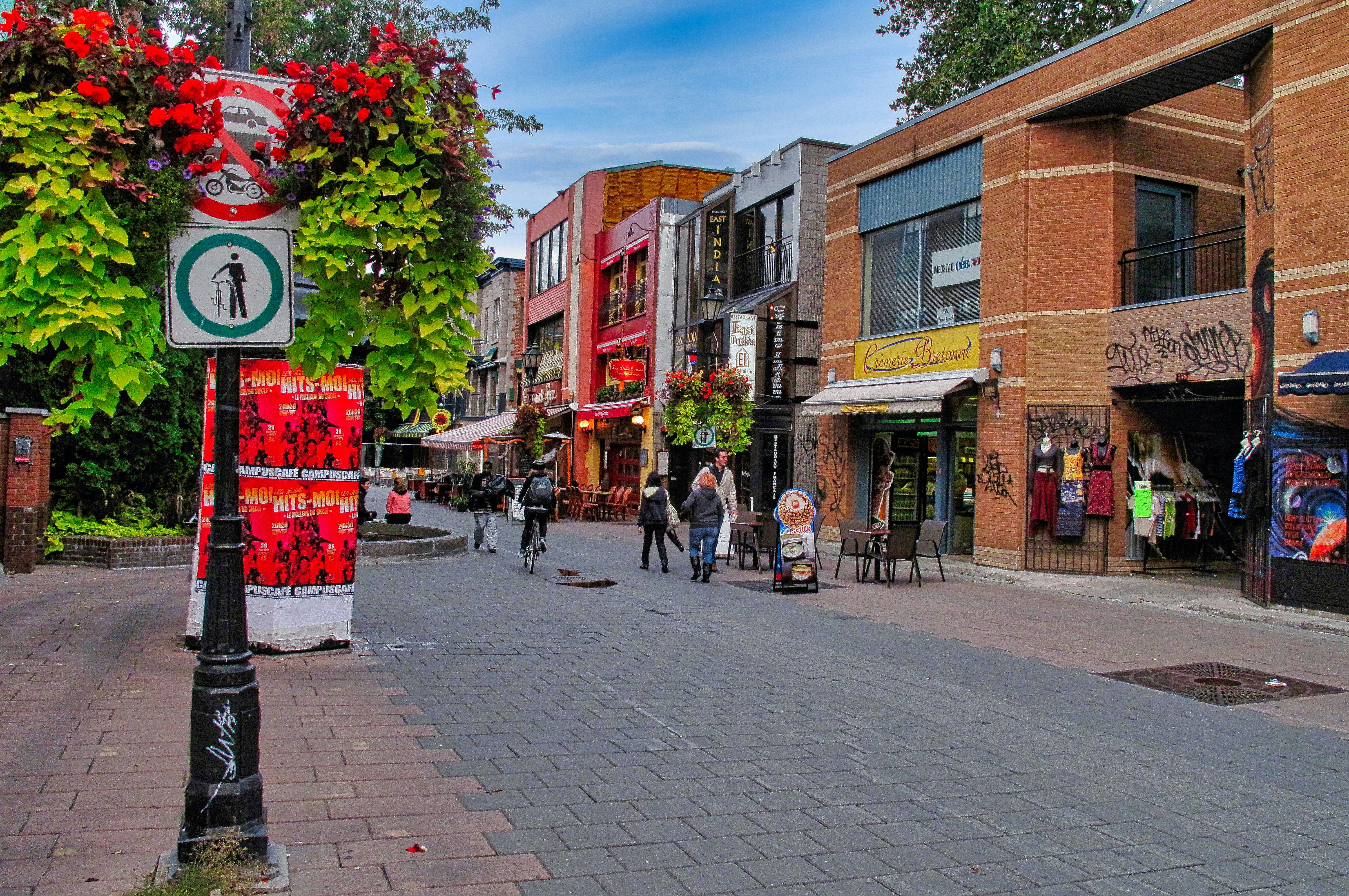
Westmount posts a $2,300,000 median with 43 sales in the quarter, Outremont $2,201,700 over the last four quarters. These are the two most established house markets on the island, and contrary to a widespread assumption, they are not illiquid: Westmount saw more houses sell in the quarter than Rosemont did.
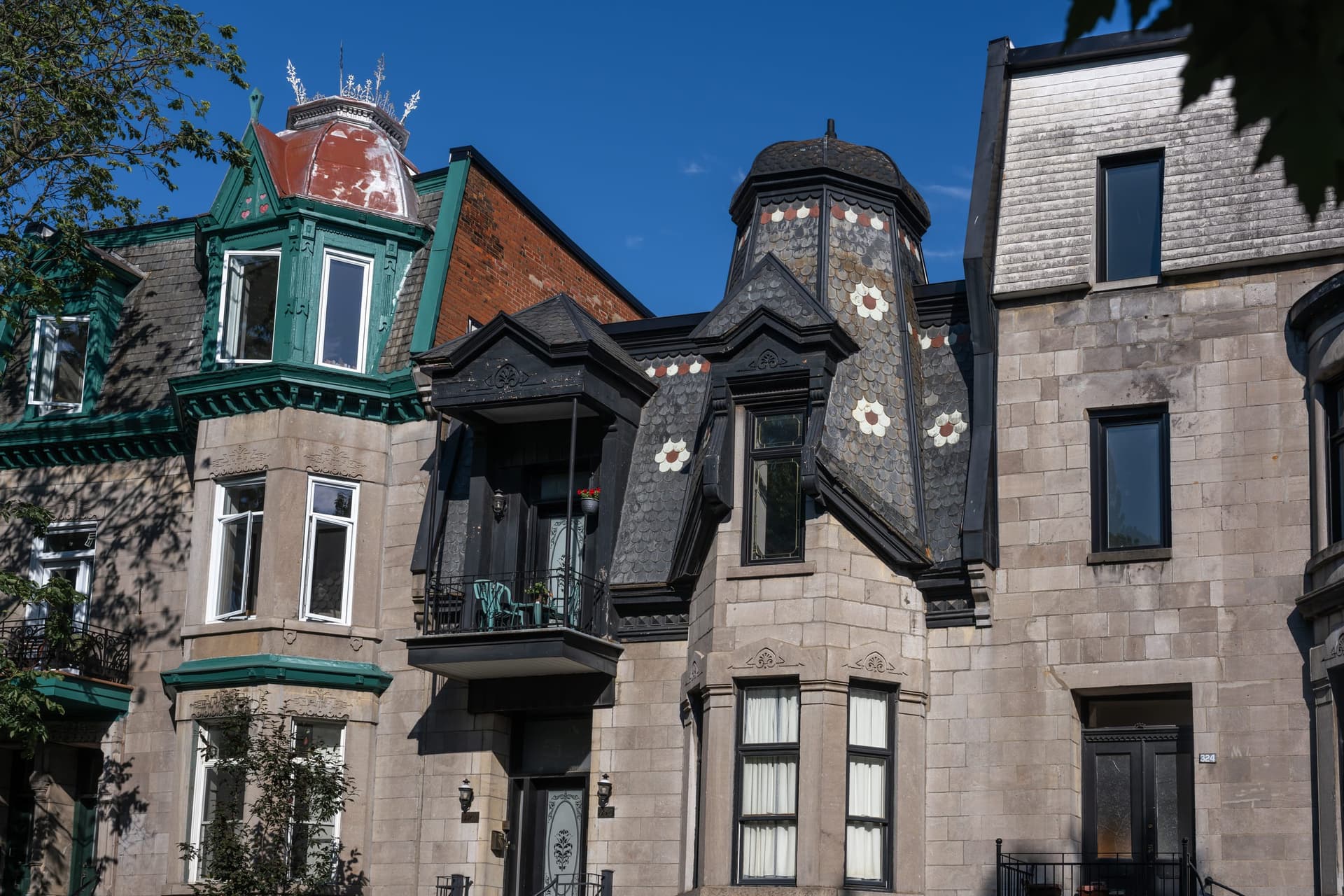
The difference between the two is character. Westmount is an independent municipality, with its own services and a well-regarded English school catchment. Outremont is a Montreal borough, francophone, denser, with local commercial life on Laurier and Bernard. See Westmount and Outremont.
At this price level, the inspection becomes the critical item. These houses are between 80 and 130 years old, and a badly estimated renovation budget easily runs into several hundred thousand dollars.
Five questions to settle before choosing
- Is the house truly non-negotiable? If so, the list of viable sectors narrows fast, and Saint-Laurent, Hochelaga and the West Island need to enter your search.
- How long can you search? A sector with 30 sales per quarter demands patience. A sector with 100 lets you compare.
- Does rental income change your math? If so, the plex opens central sectors that were closed to you as a single-family buyer.
- What is your tolerance for renovation work? Low medians often correspond to buildings that need investment in the short term.
- Test the commute on a real weekday. Do the trip at rush hour before committing, not on a Sunday afternoon.
Torn between two or three sectors? Get in touch and I will prepare a costed comparison based on your actual budget and criteria.