Rosemont–La Petite-Patrie: the neighborhood that caught up to the Plateau
For a long time, Rosemont was the fallback for buyers who found the Plateau too expensive. That is no longer the case. The neighborhood has become a destination in its own right, with its own commercial streets, its own clientele and a market that no longer apologizes for itself.
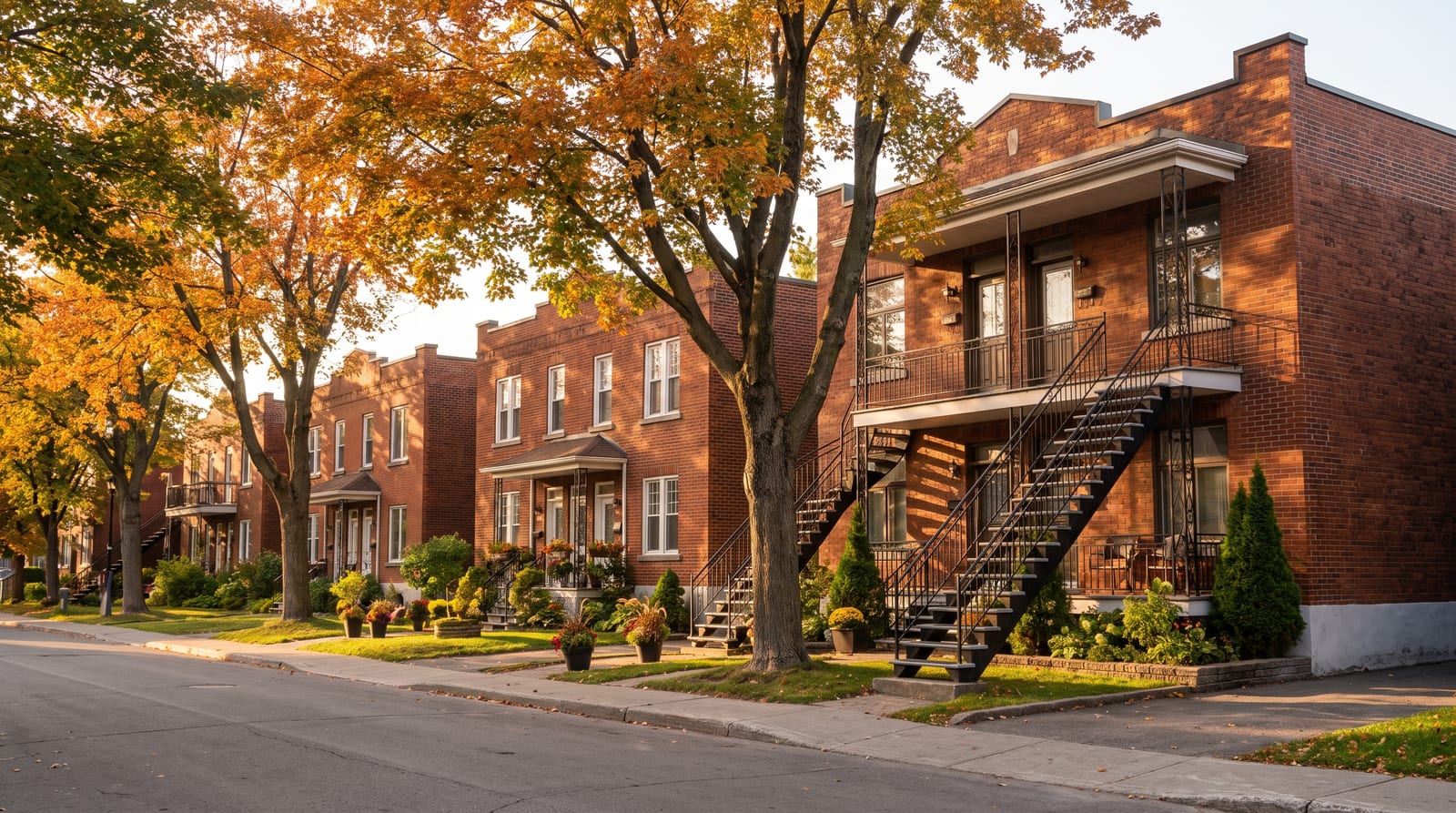
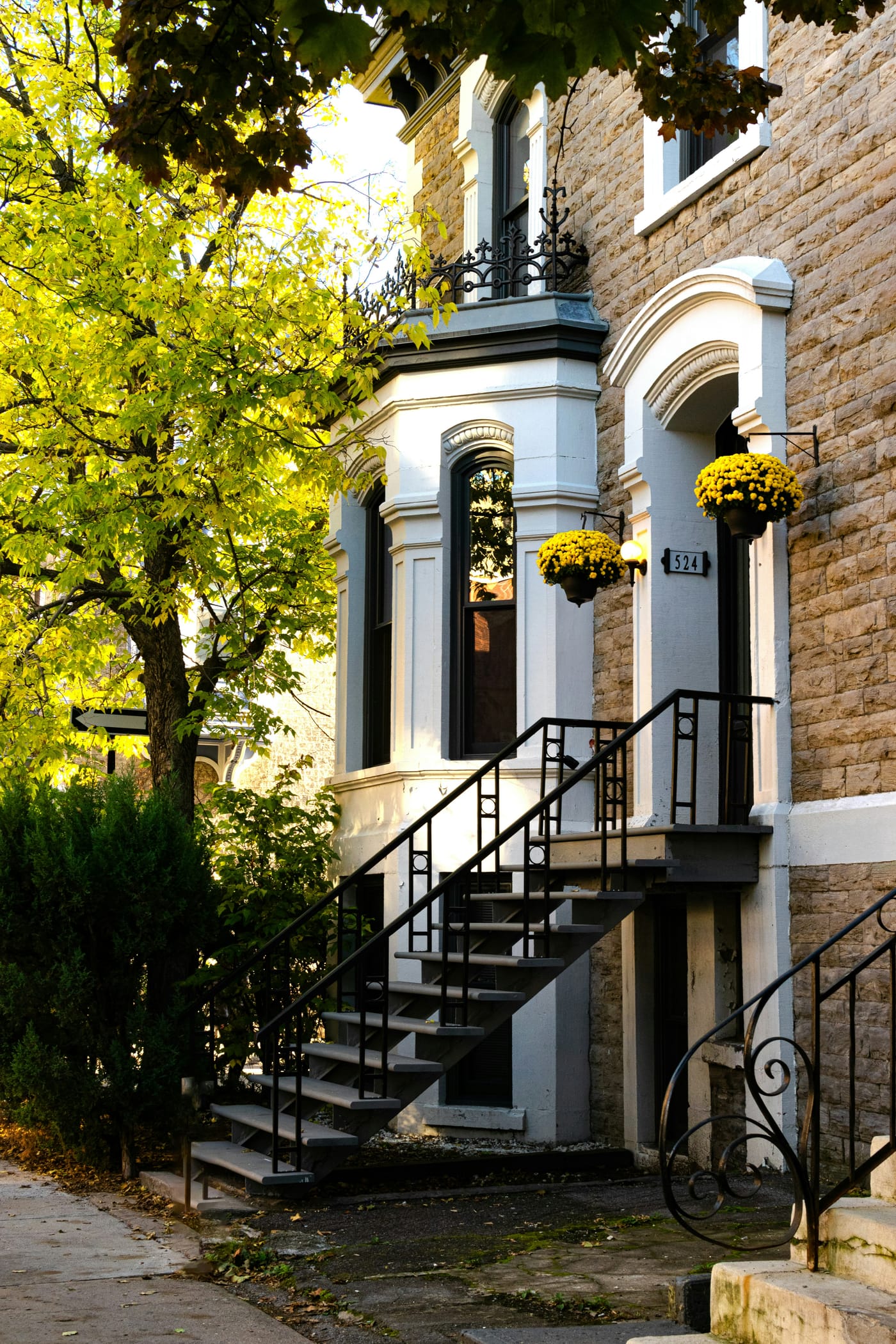
What has not changed is the built form: century-old brick plexes, tree-lined streets, green alleys and a density that keeps local businesses alive. This is a neighborhood where people walk, where they know their grocer, and where a good share of buyers are shopping for a way of life as much as for a property.
I have covered Rosemont–La Petite-Patrie since 2018, and it is one of the sectors where preparation makes the biggest difference, whether you are buying or selling. Here is the full portrait, with the numbers behind it. You will also find current market data on my Rosemont neighborhood page.
The Rosemont market in numbers
Here is the state of the Rosemont–La Petite-Patrie residential market in the second quarter of 2026, according to Centris statistics.
| Property type | Median price (Q2 2026) | Sales in the quarter |
|---|---|---|
| Condominium | $560,000 | 229 |
| Plex (2 to 5 units) | $1,003,250 | 114 |
| Single-family home | $1,138,000 | 31 |
Over the last four quarters, the neighborhood recorded 1,180 residential sales, up 1% year over year. It is an active, liquid market, but one whose volume is not running away.
A market of condos and plexes, not houses
The most revealing figure in the table is not a price, it is a sales count. Of 374 residential transactions in the quarter, 229 were condominiums and 114 were plexes. Single-family homes accounted for just 31, roughly 8%.
That follows directly from the built form. Rosemont grew around the working-class duplex and triplex, not around the detached house. A buyer looking for a single-family home here is competing for a scarce resource, which explains the median price of $1,138,000, well above the plex. A buyer open to a plex or a condo has real choice.
The neighborhood's three faces
La Petite-Patrie
The western portion, between the rail line and Saint-Denis. This is the densest, most commercial sector, built around the Jean-Talon Market and Plaza Saint-Hubert. You find a lot of triplexes and condo conversions, a young clientele, and the highest price per square foot in the borough.
Vieux-Rosemont
The historic core, around Promenade Masson and Père-Marquette Park. Quieter streets, well-maintained plexes, a strong presence of long-established families. This is the sector that most resembles the classic image of Rosemont, and the one where demand is most consistent from year to year.
Nouveau-Rosemont
To the east, toward Maisonneuve Park and the Botanical Garden. Newer stock, mostly post-war, more bungalows and two-storey duplexes, larger lots and easier parking. Prices are more accessible here, and it is often the best compromise for a family that wants to stay in the borough.

Schools, parks and local life
Rosemont is a family neighborhood, and the services follow.
- Schools: École Saint-Arsène, École des Quatre-Vents and several local elementary schools, with CÉGEP de Rosemont for post-secondary studies.
- Parks: Maisonneuve Park, vast, with its trails and direct access to the Botanical Garden; Molson Park and Père-Marquette Park, both with sports fields and outdoor rinks in winter.
- Shopping: the Jean-Talon Market, Plaza Saint-Hubert with its redesigned canopy, Promenade Masson and its independent shops, Beaubien Street and its cafes.
- Green alleys: the borough has among the most in Montreal. They make a real difference to daily life, and buyers with children notice them immediately.
Getting around
- Metro, orange line: Rosemont and Beaubien stations, plus Jean-Talon, which also serves as an interchange.
- Metro, blue line: Jean-Talon and Fabre stations, with D'Iberville on the eastern edge of the borough.
- Bus: a dense network on Masson, Beaubien, Saint-Denis and Papineau, several of them high-frequency lines.
- Cycling: the neighborhood is well covered by the bike network, notably on Rachel, Boyer and Molson.
- Car: quick access to Highway 40 to the north, and downtown in about fifteen minutes outside rush hour.
Downtown is under twenty minutes by metro from most of the neighborhood. That is a central argument for buyers weighing Rosemont against a sector closer to the core.
Buying in Rosemont: my advice
- Decide early between living in it and investing. A plex bought to live in and a plex bought for its return are not shopped the same way. The first requires a vacant or recoverable unit, the second requires solid leases. Confusing the two leads to badly built offers.
- Review the leases before the inspection. On a plex, the lease structure and the rents in place often weigh more heavily on final value than the condition of the building. Ask for them early, not at the last minute.
- For a condo, read the contingency fund. Many of the neighborhood's condominiums are converted plexes. Some are impeccably managed, others have neither an adequate reserve nor a reserve study. The risk gap between the two is enormous.
- Expect century-old buildings. Foundations, French drains, electrical service and roofing are what come up most often in inspections in La Petite-Patrie and Vieux-Rosemont. That is not a problem in itself, but it needs to be priced before the offer.
- Be ready to move fast on single-family homes. With about thirty sales per quarter for the entire borough, a well-located, well-prepared house does not stay available for long.
Selling in Rosemont: what makes the difference
Rosemont is a neighborhood where buyers are informed. They know the prices, they follow the listings, they compare. Three elements determine the outcome.
- Price positioning. With stable sales volume and inventory that keeps turning over, an overpriced property is spotted within days and stops getting shown. Price is set on the sector's closed sales, not on the municipal assessment or on the neighbors' asking prices.
- Presenting the rental potential. For a plex, a clear file, leases, income, expenses, recent work, is worth more than any sales pitch. Plex buyers do the math before they fall in love.
- Photography and day one. Most buyers form an opinion online before they visit. In a neighborhood where several comparable properties compete for the same clientele, the quality of the initial launch decides everything that follows.
Thinking about buying or selling in Rosemont? Get in touch and we will look together at what your street's market actually says.