In 2026, the Montreal real estate market continues a moderate rise in prices, despite a clear slowdown in the number of sales. In June 2026, the median price of a single-family home in the Montreal metropolitan area reached $649,000, up 4% year over year, the condominium traded at $435,000 (up 2%) and the plex at $880,000 (up 6%), according to the APCIQ. In other words: prices are still rising, but more slowly, and buyers are regaining negotiating power. Here is what these figures mean concretely, whether you are looking to buy, sell or invest.
Key takeaways
- In June 2026, the single-family home in Montreal reached a median price of $649,000 (up 4% year over year), the condominium $435,000 (up 2%) and the plex $880,000 (up 6%), according to APCIQ.
- The number of transactions fell 8% year over year, a third consecutive month of annual decline.
- Inventory is rising, nearly 20,900 active listings, which restores room to negotiate for buyers.
- The Bank of Canada held its policy rate at 2.25% in June 2026, a level expected to stay stable for much of the year.
- CMHC anticipates modest price gains in 2026 and growth in Quebec, after the 2025 decline.
- The price increase is broad-based, but gaps from one neighborhood to another remain significant.
- The 2026 market is more balanced and more rational: prices hold, but bidding wars have eased.
Prices in 2026: a moderate but broad-based rise
The defining figure of 2026 is that prices continue to progress across the three main property categories, despite a less frenzied market. The rise is real without being spectacular, a sign of a market normalizing rather than overheating. The plex shows the strongest appreciation, driven by investor demand and limited supply, while the condominium progresses more slowly, held back by abundant inventory.
House, condo or plex: which is rising the most?
The plex leads the way with a 6% increase year over year, a strong signal of sustained interest in income real estate in Montreal. The single-family home follows at 4%, driven by steady family demand and supply that stays tight in sought-after areas. The condominium brings up the rear at 2%: it is the segment where supply is most abundant, and therefore where buyers hold the most negotiating power. These gaps confirm a fundamental rule of the Montreal market: the average hides significant differences by property type and neighborhood.
Wide gaps from one neighborhood to another
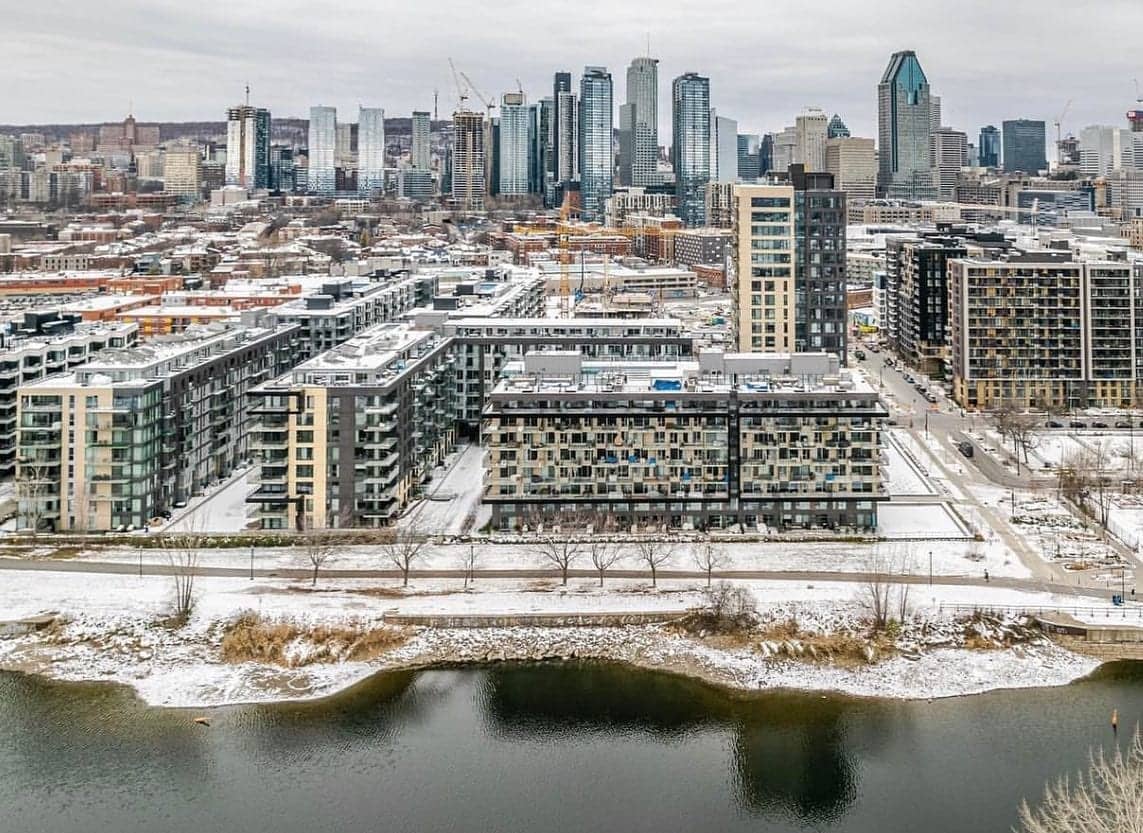
The regional median hides very different realities depending on the area. Established neighborhoods in the center and west, like Westmount and Outremont, trade well above the median, driven by prestige, scarcity and property quality. Central areas favoured by families and professionals, like the Plateau-Mont-Royal or Rosemont, keep strong demand. Conversely, neighborhoods in transformation like Griffintown mainly attract for new condominiums and rental demand, while the South Shore, with Brossard and Saint-Lambert, remains more affordable for families seeking space.
Because prices move quickly and by micro-area, it is best to rely on up-to-date local data. Our neighborhood pages detail the market of each area, and Centris borough statistics complete the picture. For a reliable value on a specific street, though, nothing replaces a comparative analysis carried out by a broker.
Fewer sales, more selective buyers
The metropolitan area recorded 4,012 residential transactions in June 2026, down 8% compared with June 2025, according to APCIQ. This is the third consecutive month of annual decline, after drops of 7% in April and May. This slowdown does not reflect a fall in demand, since prices continue to rise, but a calmer market where buyers take the time to compare.
The condominium illustrates this shift well: its sales fell 15% year over year, the most affected segment, while regional inventory climbed to nearly 20,900 active listings. With 32 days on average on the market for single-family homes and 48 days for condominiums, timelines are lengthening moderately. As the 2026 market shows, buyers are still there, but they are more demanding on price and property condition.
Interest rates finally stable
After a period of uncertainty, stability has returned on the financing side. On June 10, 2026, the Bank of Canada held its policy rate at 2.25%, a level most major Canadian banks expect to stay stable for much of the year. For buyers, this predictability is precious: it lets you know your borrowing capacity and build a solid budget before diving in.
One point deserves your attention, however: fixed mortgage rates follow Government of Canada bond yields and can vary even when the policy rate stays unchanged. In other words, a stable policy rate does not guarantee frozen fixed rates. This relative stability supports prices without making them flare up, which largely explains the moderate rise seen in 2026.
What CMHC anticipates for the rest of 2026
According to the CMHC Housing Market Outlook, the Canadian market should see modest price gains in 2026, after a decline in 2025, with a gradual recovery in sales that remain below their historical average. Quebec is among the regions where price growth is expected.
In Montreal, housing starts should remain high, driven notably by rental housing, which contributes to increasing the supply of new homes. CMHC nonetheless notes that downside risks to its forecasts are more likely than upside ones, particularly if the economy slows further. The message for 2026 is therefore one of a market in cautious progression, without the excesses of previous years.
Montreal, Canada's exception in 2026
To gauge the strength of the Montreal market, you have to compare it with the other major cities. In June 2026, while Montreal saw its prices rise, the average price of properties fell 3.9% year over year in the Toronto region and 1.9% in Vancouver, according to Royal LePage data reported by Radio-Canada. In Toronto, the condominium segment even dropped 9%. Royal LePage anticipates a decline of about 4.5% in Toronto and 3.5% in Vancouver for the whole of 2026, while Montreal continues to rise.
This divergence is largely explained by affordability. With a single-family home at $649,000, Montreal remains clearly more affordable than Toronto, where the average price exceeds one million dollars. This margin attracts buyers and investors, supports demand and explains the resilience of Montreal prices in a more fragile national context. For anyone considering buying in Quebec, 2026 confirms an enviable position: measured increases rather than corrections.
Buyer, seller or investor: what to do in 2026?
The 2026 market rewards preparation more than haste. Here is how to read these trends depending on your situation.
You are buying
The context is rather in your favour: more inventory, fewer bidding wars and stable rates. This is the time to get your financing pre-approved, to target your neighborhoods precisely and to negotiate methodically. See our buyer's guide to structure your approach.
You are selling
Prices are holding, but buyers are selective and timelines are lengthening a little. Accurate pricing and quality marketing make all the difference. Our seller's guide details how to optimize your price in this kind of market.
You are investing
The plex, leading the increases at 6%, and new construction in growing areas like Griffintown remain interesting avenues, supported by strong rental demand. The return analysis must, however, factor in rates, charges and the appreciation potential of the Montreal market.
A word from Alexia
Statistics give the trend, but they do not replace a close reading of your area and your project. A regional median says nothing about the exact value of a specific property, at a specific address, in current conditions. That is where hands-on guidance makes all its sense. If you want to translate these trends into a concrete strategy, to buy at the right price or sell at the right time, let's talk about your project.
About Alexia Soudin
Alexia Soudin is a residential real estate broker, holder of OACIQ licence H1334, active in Montreal and on the South Shore since 2018. With more than 650 completed transactions and the representation of 6 new-construction projects, she supports buyers, sellers and investors from the first visit to signing at the notary. Her professional record can be verified on Centris and her background on LinkedIn. Discover her full story or reach her directly to discuss your Montreal real estate project.
This article is provided for informational purposes. The statistics cited come from APCIQ, CMHC, the Bank of Canada and Royal LePage, and reflect the state of the market at the date of publication. Conditions vary by property, area and timing. For an assessment suited to your situation, consult a real estate broker.