In August 2026, the Montreal area had 20,128 properties for sale, 18% more than a year earlier, and a condo took an average of 62 days to sell, 12 days longer than in 2025 (QPAREB, Centris statistics for August 2026).
When buyers have more choice, they compare. And the first comparison does not happen during a visit. It happens on a screen, photo against photo. That is where home staging does its job.
But not everything sold under that name is worth the money. Here is what pays off, what costs without giving anything back, and the line no staging should ever cross.
The short version
- In 2025, 83% of US buyers' agents said staging makes it easier for buyers to picture the property (NAR, 2025 Profile of Home Staging).
- The moves that pay off most cost little: decluttering, deep cleaning, and a well-kept entrance.
- The three rooms that matter: the living room, the primary bedroom and the kitchen.
- Virtual staging is allowed, but the OACIQ requires a clear statement that the image was altered.
- Showcase, yes. Hide a defect, never: the warranty against latent defects follows you after the sale.
Does home staging really help a home sell faster?
In 2025, 49% of sellers' agents said staging reduced time on market, 19% of them by a lot, and 17% of buyers' agents saw offers rise by 1% to 5% compared with similar homes (National Association of Realtors, 2025 Profile of Home Staging).
One caveat: this is US data, from a survey of agents. No Canadian or Quebec organization measures the effect of staging. These figures show a trend, not a promise.
My take, after more than 650 completed transactions since 2018: staging does not add value to a property. It removes what keeps buyers from seeing it. A cluttered living room looks smaller than it is. A kitchen covered in objects seems to have less counter space. Buyers are not naive, but they react first to what they see.
The three rooms that deserve your budget
According to the same 2025 report, buyers' agents rank the living room as the most important room to stage (37%), followed by the primary bedroom (34%) and the kitchen (23%). Other rooms come after.
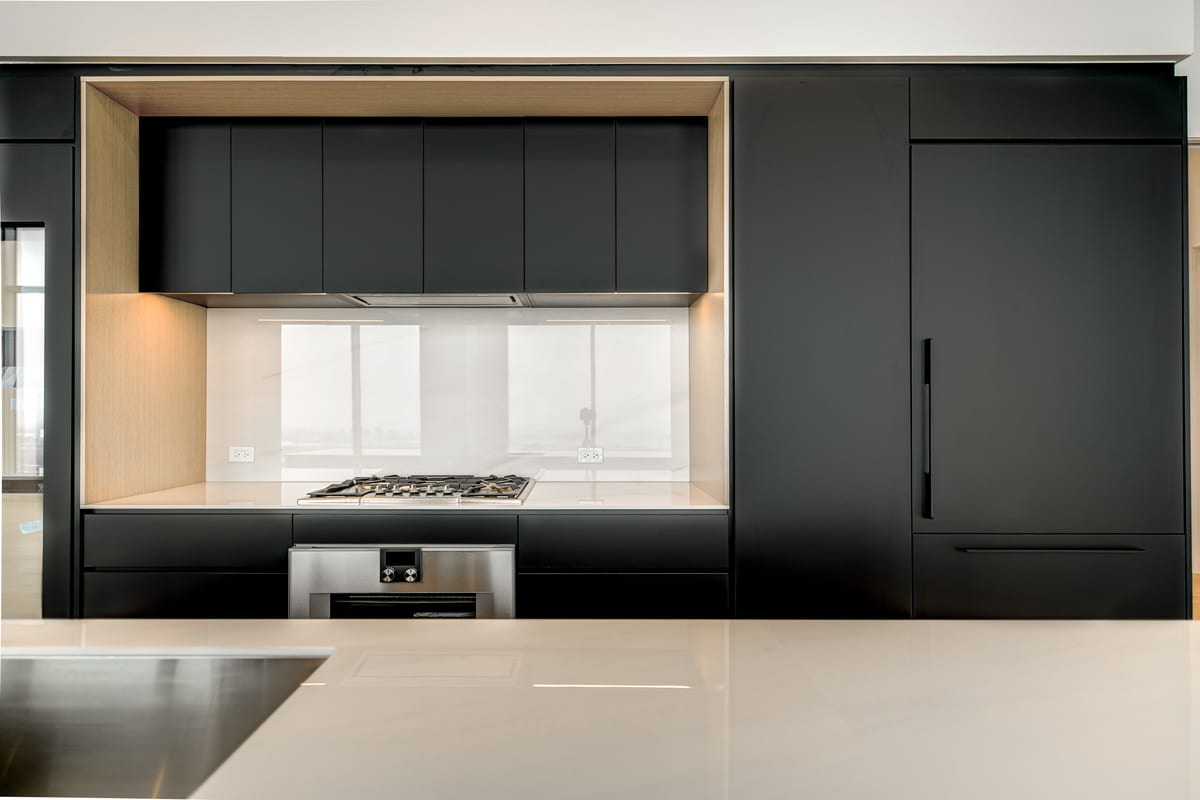
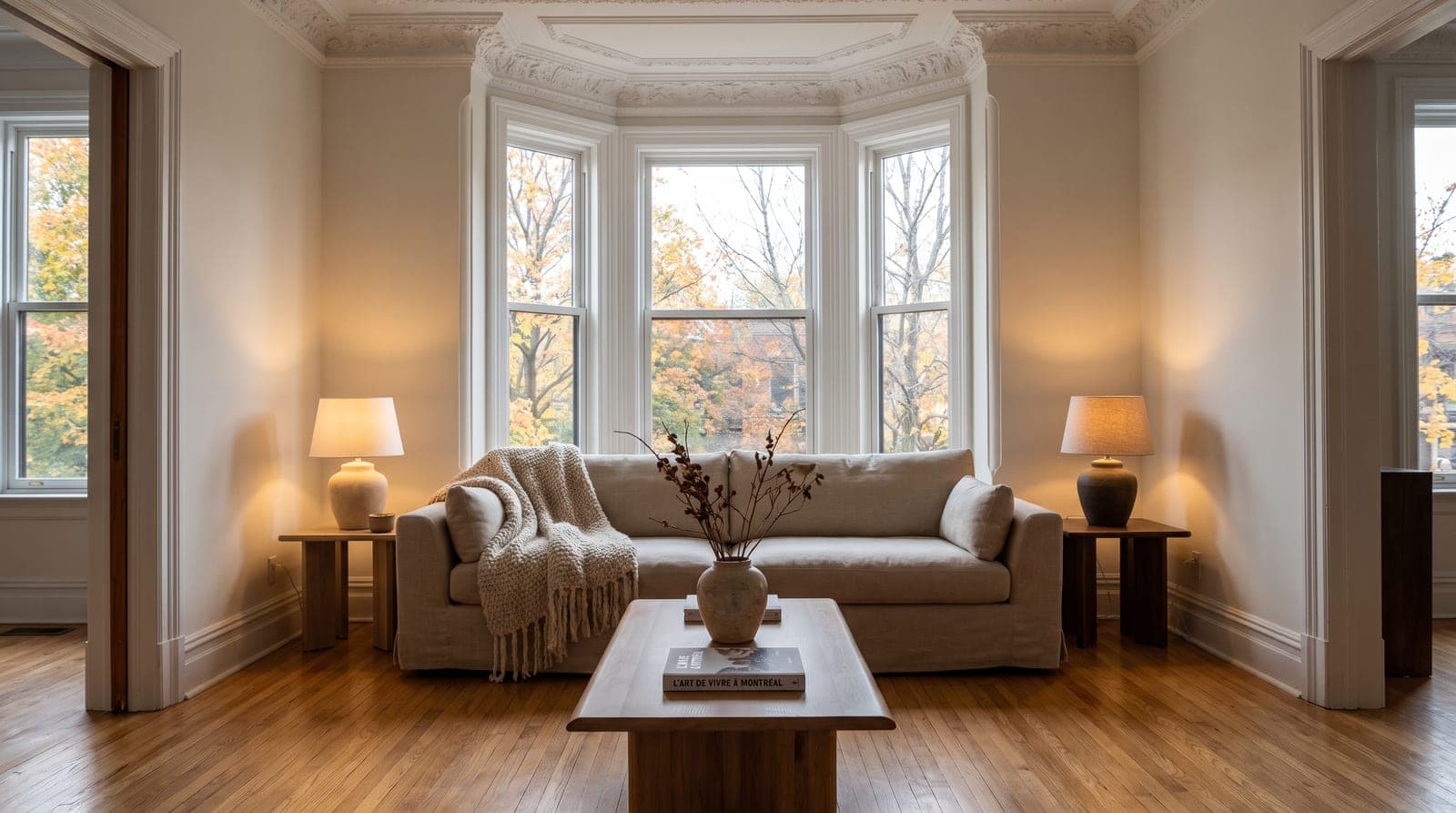
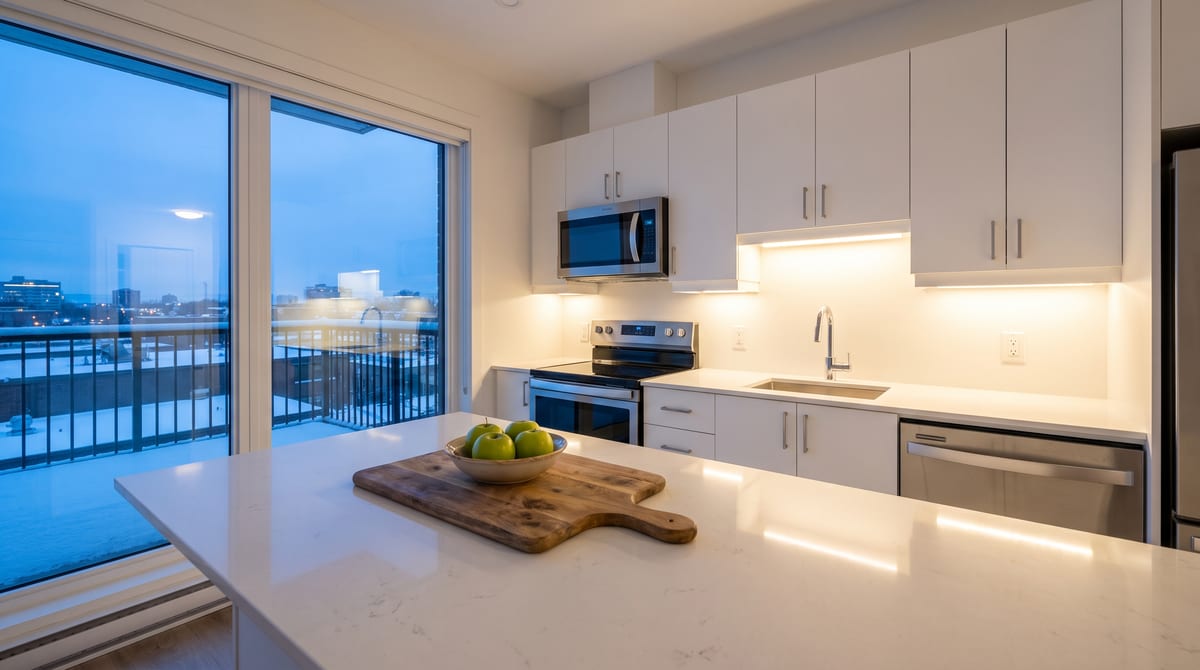
That is good news for your budget: there is no need to transform everything. Focus where buyers picture their life. In a Plateau or Rosemont plex, that is often the double living room with its bay window. In a Griffintown condo, it is the open kitchen and living area, which carries almost all of the first impression.
What is really worth doing before you sell?
In 2025, sellers' agents most often recommended decluttering (91%), deep cleaning (88%) and improving curb appeal (77%) (NAR, 2025 Profile of Home Staging). None of these three requires a big budget.
In practice, here is what I recommend to most of my sellers before the photo shoot:
- Remove about half of the visible objects. Family photos, fridge magnets, piles of mail, bathroom counter products. Buyers need to picture themselves at home, not at your place.
- Clean what the eye notices without knowing it. Windows, tile grout, light fixtures, baseboards. A clean home looks well maintained, and buyers assume the rest is too.
- Fix the small visible repairs. A loose handle, a burnt-out bulb, a ceiling water stain whose source is already fixed. Each one becomes a question during the visit.
- Turn on every light. In a Montreal fall or winter, daylight fades by 4 p.m. Warm table lamps change a photo.
- Neutralize odours. Pets, cooking, basement humidity. Air out and clean rather than mask with air freshener, which buyers notice too.
What is not worth the money?
Some spending feels productive without changing the outcome. The most expensive is a major renovation right before selling: it delays the listing by months and buyers rarely pay it back in full, as I explain in my article on how to sell your house fast in Montreal.
- Repainting in a trendy colour. A tired wall deserves a coat of off-white or warm grey. A fashionable colour appeals to some buyers and puts off others.
- Furnishing every room. Keep the budget for the living room, primary bedroom and kitchen.
- Replacing working appliances. Clean and in good condition, they do the job. Replacing them almost never pays back.
- Piling on decor. Cushions, plants, frames: beyond a few touches, you recreate the clutter you just removed.
A good rule: every dollar should serve the main photo or the first minute of the visit. If it does not, it can wait.
Empty or lived-in: should you rent furniture?
In 2025, the median cost of a staging service in the United States was US$1,500, compared with US$500 when the agent staged the home (NAR, 2025 Profile of Home Staging). Montreal rates are not documented publicly, so always ask for a detailed quote.
Renting furniture makes the most sense for an empty home. A room without furniture looks smaller in photos, and buyers struggle to judge whether their bed or sofa will fit. A few well-chosen pieces in the three key rooms are often enough.
If the home is lived in, the work is mostly about removing, not adding. It is free, and it often makes the biggest difference.
For a plex, one detail matters: you cannot stage a tenant's unit. The Civil Code requires 24 hours' notice to show it to a prospective buyer (article 1931 of the Civil Code of Québec), and the tenant may refuse a visit before 9 a.m. or after 9 p.m. (article 1932). Focus instead on your own unit, the shared spaces and the facade. You will find more on the plex for sale page.
Is virtual staging allowed?
Yes, but it is regulated. The OACIQ advertising guideline requires a clear and visible statement, such as "Image generated by artificial intelligence," whenever furniture is added, a seasonal atmosphere is created, or virtual staging is used (OACIQ, Representation, solicitation, promotion and advertising guideline, section 6).
The broker must also keep the original photos and make them available on request. And an image that fundamentally alters the actual appearance of a property breaks the rules, statement or not.
The reminder is recent. In February 2026, an AI-altered facade photo, with added windows, a fence and shrubs, forced an agency in Terrebonne to apologize publicly (CP24, February 12, 2026).
My approach: virtual staging can help show the potential of an empty room. It never replaces the real photo, which stays in the listing next to the furnished version.
The line never to cross: hiding a defect
The seller must guarantee that the property is free of latent defects at the time of the sale (article 1726 of the Civil Code of Québec). That warranty does not end on the day you sign at the notary.
Laying a rug to warm up a room is staging. Laying a rug over a water stain is hiding a defect. Same for a piece of furniture in front of a crack, or an air freshener to cover a damp smell.
That is also why the Declarations by the seller form exists. The OACIQ asks brokers to complete it with the seller so that the declarations are complete, accurate and faithfully reflect the property (OACIQ, Verification, information and advice guideline, section 4).
The rule I give my sellers is simple. Showcase what is beautiful. Declare what is not. A defect disclosed early can be negotiated. Discovered after the sale, it often ends up in court.
Selling in a Montreal fall or winter
In January 2026, a single-family home took an average of 50 days to sell in the Montreal area, a condo 67 and a plex 66 (QPAREB, January 2026 statistics). In August, those delays were 42, 62 and 52 days.
A property that stays online longer gets compared longer. Presentation matters more in winter, not less. A few seasonal moves make the difference:
- Photograph the exterior before the first snow. If the listing runs longer, update the photos so they reflect reality.
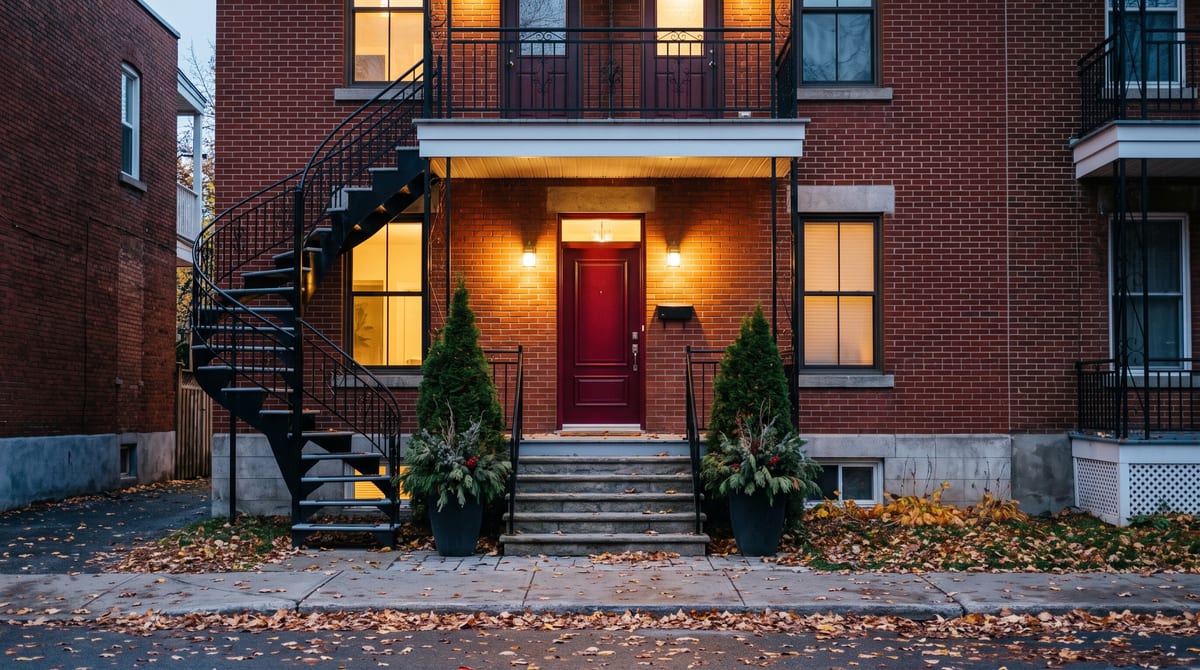
- Clear snow and ice from the entrance before every visit. A plex's outdoor staircase is the first thing buyers touch.
- Make room for boots. A mat and a bench at the door keep the visit from starting awkwardly.
- Keep the temperature comfortable. A cold house looks poorly insulated, even when it is not.
Preparing your home for sale, one room at a time
Staging is not an end in itself. It is one step in a marketing plan that starts with the right price, as I explain in my article on optimizing your sale price. A well-presented home that is poorly priced stays online. A home that is well priced and well presented stands out in a slower market. That is even more true when selling a house in Montreal this fall than it was last spring.
Your checklist before the photo shoot
Thinking of selling this fall or winter? Write to me. I will walk through the property with you, room by room, and we will identify what is worth doing before the photos, and what can wait. You can also read my selling with Alexia page to see how a listing unfolds.
Sources consulted on September 30, 2026: QPAREB, Centris residential sales statistics for August 2026 and January 2026, Montreal CMA; National Association of Realtors, 2025 Profile of Home Staging (US data); OACIQ, Representation, solicitation, promotion and advertising guideline (section 6) and Verification, information and advice guideline (section 4); Civil Code of Québec, articles 1726, 1931 and 1932; CP24, February 12, 2026. This article is for information only and is not legal advice.