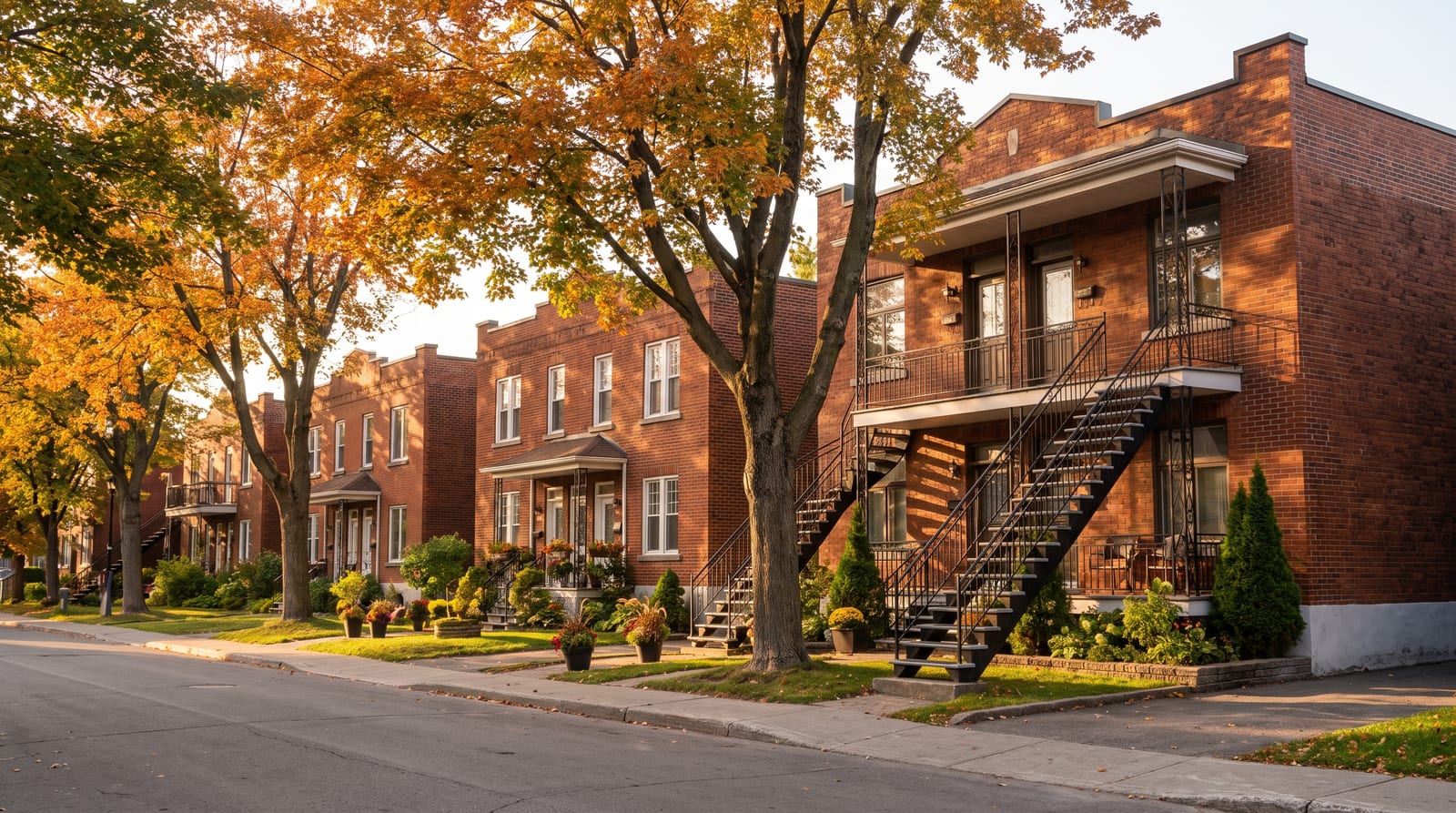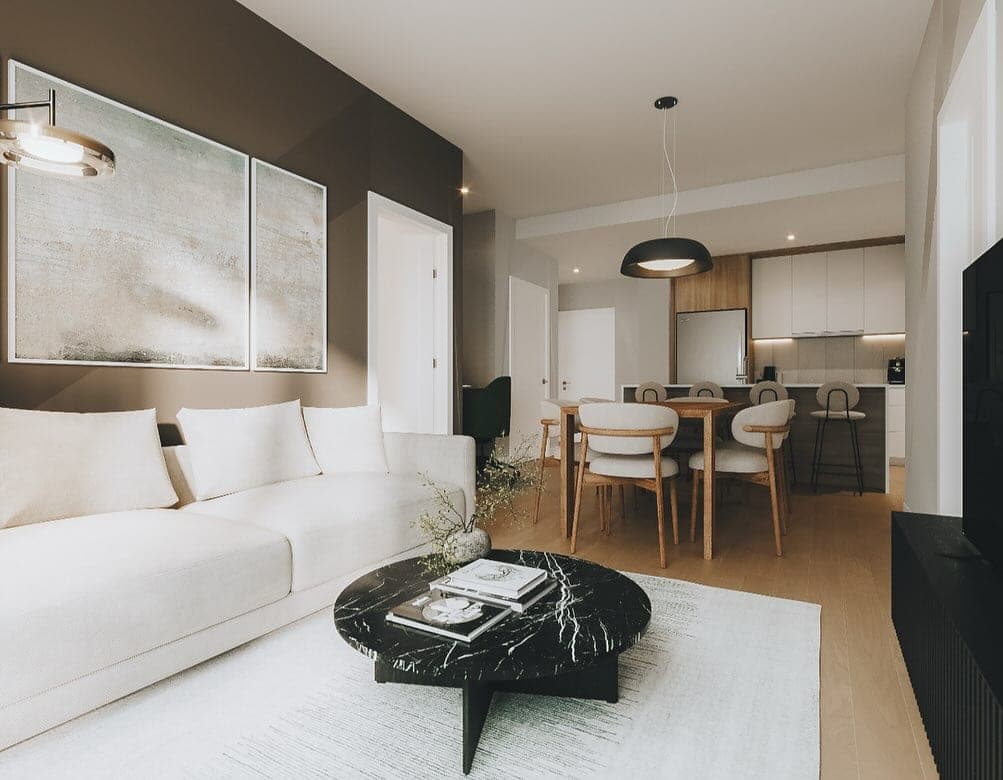
Buying new construction in Montreal or on the South Shore in 2026 means taking advantage of a particularly favourable context: a growing supply of new homes, a new GST rebate that can reach $50,000 for first-time buyers, and solid legal protections such as the preliminary contract and the GCR warranty. This guide walks you through, step by step, how to buy new with confidence, what really protects you, and how a broker who represents new projects can open doors for you.
Key takeaways
- A new GST rebate for first-time buyers can reach $50,000 on a new home priced at no more than $1,000,000, announced on May 27, 2025 and in effect in 2026.
- The QST is not harmonized with this measure: the standard rebate is 50% of the tax paid, up to $9,975, full below $200,000 before taxes.
- The law requires a preliminary contract before buying a new home from a developer.
- The mandatory GCR warranty covers poor workmanship for 1 year, latent defects for 3 years, structural defects for 5 years, and protects your deposits up to $50,000.
- CMHC expects housing starts to remain high in Montreal in 2026, which increases the supply of new homes.
- Alexia Soudin represents 6 new-construction projects, including Riviera par Vallem in Carignan, delivered in 2026.
Why new construction in 2026?
New homes answer a clear demand in 2026: modern, energy-efficient spaces with no work to plan. According to the CMHC Housing Market Outlook, housing starts should remain high in Montreal, driven notably by rental housing, which increases the supply of new homes. For buyers, more supply means more choice and less price pressure than in the tightest segments of the resale market.
Beyond supply, new construction offers concrete advantages: contractor warranties, recent building standards, personalized finishes and, in 2026, a much more generous tax framework for first-time buyers. What remains is to know the rules of the game, because buying on plan does not unfold like buying an existing property.
The new 2026 tax advantages
This is the big news of the year for new-home buyers. On May 27, 2025, the federal government announced a GST rebate for buyers of a first new or substantially renovated home. This rebate can reach 100% of the GST paid, up to a maximum of $50,000, according to Revenu Québec and the Canada Revenue Agency.
What you can recover
| Tax | Rebate | Price thresholds |
|---|---|---|
| GST (first-time buyer, 2026 measure) | Up to 100%, maximum $50,000 | Full up to $1,000,000, partial from $1,000,000 to $1,500,000, none above |
| QST (standard rebate) | 50% of the QST paid, maximum $9,975 | Full below $200,000, decreasing from $200,000 to $300,000, none above |
In most turnkey projects, the developer manages the taxes and applies the rebate you are entitled to, according to the terms set out in the contract. Because eligibility conditions are precise, each co-owner must be an individual, and the home and land must be bought from the same contractor under a single contract, always confirm your situation with a tax specialist or directly with Revenu Québec before you commit.
The preliminary contract: your first protection
Before buying a new home from a developer, the Civil Code of Québec requires signing a preliminary contract when the sale includes the building and the land. This document frames the entire relationship: it specifies the price, the description of the unit, the timelines, the terms for paying deposits, and the mutual obligations of the contractor and the buyer.
The preliminary contract comes with the guarantee contract, which must be signed at the same time and confirms your coverage under the GCR warranty. This is the moment to check everything: each clause must faithfully reflect what was presented to you. Have it reviewed by your broker and, if necessary, by a notary before signing. A good understanding of the contract at this stage avoids many surprises at delivery.
The GCR warranty: what really protects you
In Québec, most new homes are covered by the Guarantee Plan for New Residential Buildings, administered by the Guarantee de construction résidentielle (GCR), a non-profit organization overseen by the Régie du bâtiment du Québec. To benefit from it, the contractor must hold an appropriate RBQ licence and GCR accreditation: two things to confirm before signing.
The warranty also protects the deposits you pay to the contractor, up to $50,000, and provides for the completion of the building if the developer fails to meet its commitments. This is a major protection: it turns a purchase on plan, engaging by nature, into a much safer process, provided you confirm the project you are eyeing is properly covered.
Buying on plan: the steps
Buying new follows a different logic than resale. Here is the typical journey, from reservation to key handover.
- Get pre-approved for financing: know your budget before reserving, accounting for taxes and applicable rebates.
- Choose the project and the unit: location, contractor, layout, exposure, inclusions. This is where a broker who knows the projects makes the difference.
- Sign the preliminary contract and the guarantee contract: after carefully reviewing each clause.
- Pay the deposits: protected by the GCR warranty up to $50,000.
- Choose the finishes: flooring, kitchen, bathrooms, according to the project's options.
- Pre-delivery inspection: draw up the list of items to correct before taking possession.
- Delivery and follow-up: the GCR coverage activates, with its 1, 3 and 5-year terms.
A new project Alexia represents: Riviera par Vallem
On the South Shore, Alexia represents Riviera par Vallem, a new project developed by Vallem in partnership with Otium Immobilier, in Carignan. Delivered in 2026, it brings together 140 units of one to three bedrooms, designed around shared living spaces: pool, rooftop terrace, social café, fitness room and recreation areas. The project embraces a "rurban" lifestyle, between preserved nature, nearby services and cycling infrastructure.
This is the kind of project where guidance makes the difference: understanding the inclusions, comparing units, validating the protections and securing your reservation at the right time. Whether you are looking to buy or reserve in new construction, explore our new-construction projects or speak with Alexia directly.
The role of a new-construction broker
Representing new projects is an expertise of its own, and it is one of Alexia's specialties, with 6 new-construction projects to her name since 2018. A broker who works with developers gives you access to units sometimes before they are publicly listed, knows the quality of the contractors from the inside, and knows where the real room to negotiate lies within a price grid.
An important point: in many projects, the broker's compensation is paid by the developer. Their support, from reviewing the preliminary contract to the pre-delivery inspection, then costs you nothing extra, while giving you an ally who defends your interests. Simply confirm from the start who pays the broker, so everything is clear.
Ready to explore new construction?
New construction in 2026 brings together rare conditions: more supply, unprecedented tax advantages for first-time buyers, and solid legal protections. Still, you have to choose the right project and secure each step. If you are considering buying new in Montreal or on the South Shore, let's talk about your project: I help you target serious projects and buy with confidence.
About Alexia Soudin
Alexia Soudin is a residential real estate broker, holder of OACIQ licence H1334, active in Montreal and on the South Shore since 2018. With more than 650 completed transactions and the representation of 6 new-construction projects, she supports buyers, sellers and investors from the first visit to signing at the notary. Her professional record can be verified on Centris and her background on LinkedIn. Discover her full story or reach her directly to discuss your real estate project.
This article is provided for informational purposes and does not constitute tax or legal advice. The tax measures and protections described come from Revenu Québec, the Canada Revenue Agency and the Guarantee de construction résidentielle (GCR), and may change. For your situation, consult a tax specialist, a notary and a real estate broker.